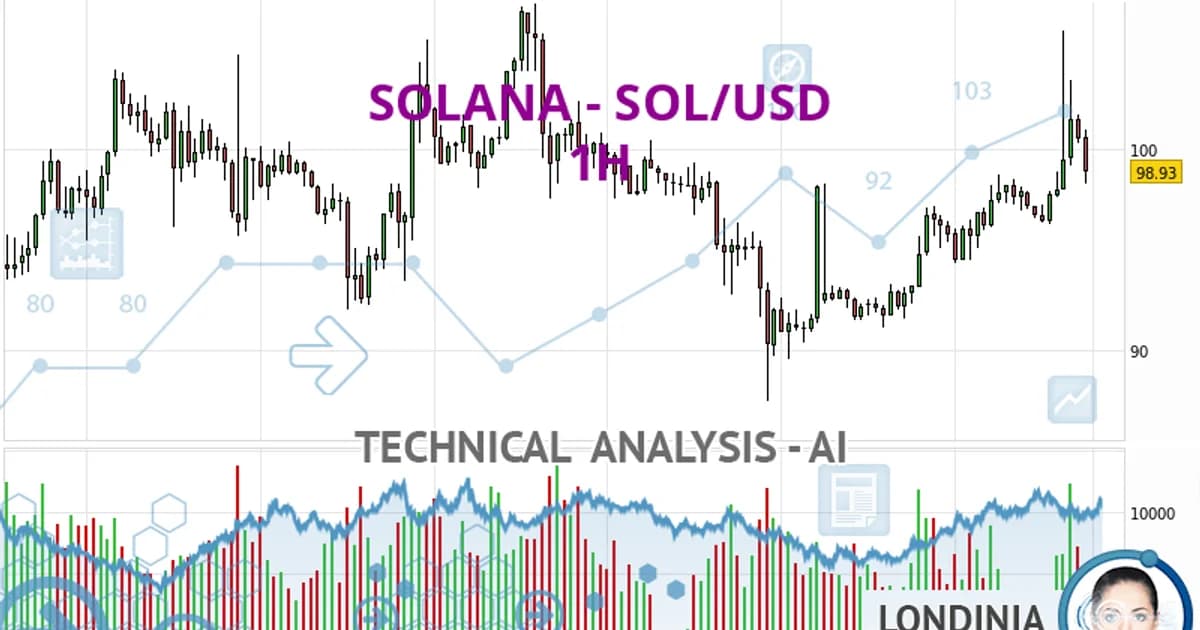
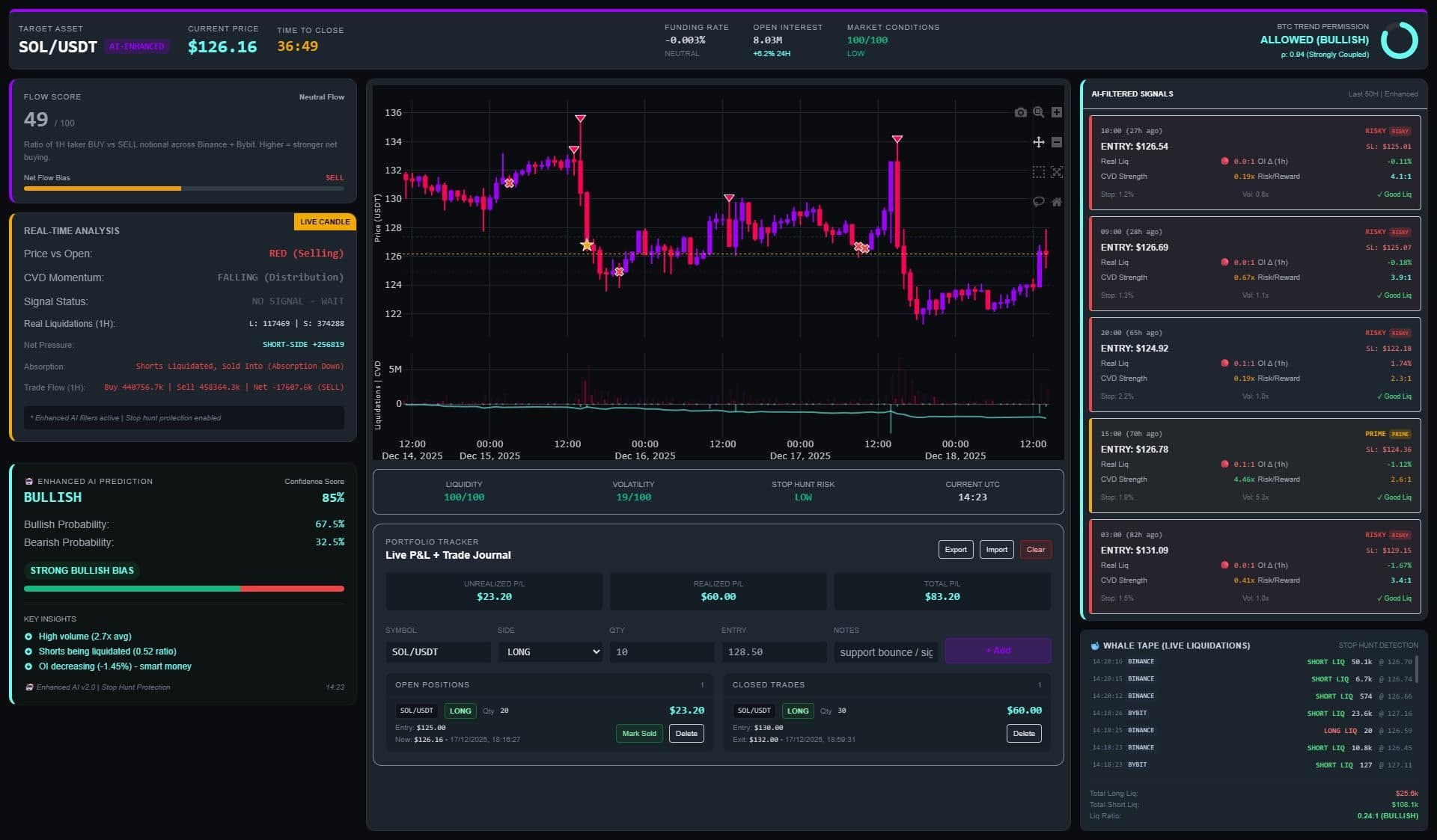
You found a Solana token that's being talked about everywhere. You open the chart, and you see a mess of green and red bars, a wavy line, and a bunch of numbers. What does any of it mean?
Reading a token chart is probably the single most useful skill you can develop as a trader. It won't make you a fortune overnight, but it will stop you from buying at the top and selling at the bottom — which is what most beginners do.
This guide breaks down everything you need to know to read a Solana token chart, starting from zero.
Where to View Solana Token Charts
Before we get into reading, you need to know where to look. The most popular chart platforms for Solana tokens are:
| Platform | Best For | Key Features |
|---|
| DEXScreener | Quick overview | Free, fast, multi-chain, TradingView charts |
| Birdeye | Deep analytics | Holder analysis, wallet tracking, detailed charts |
| Gecko Terminal | Research | Pool data, liquidity tracking, CoinGecko integration |
| Photon | Trading + charting | Built-in trading, sniper tools, real-time charts |
| BullX | All-in-one trading | Charts + execution + wallet tracking |
| GMGN | Smart money tracking | Whale wallet activity overlaid on charts |
For this guide, we'll use DEXScreener as our reference since it's free and the most widely used — but the concepts apply to any charting platform. All of these are covered in our roundup of free Solana tools that require no login, alongside plenty of others.
Understanding Candlesticks
The most common chart type you'll see is a candlestick chart. Each "candle" represents price action over a specific time period (1 minute, 5 minutes, 1 hour, etc.).
Anatomy of a Candlestick
A single candlestick has four data points:
- Open — The price at the start of the period
- Close — The price at the end of the period
- High — The highest price reached during the period
- Low — The lowest price reached during the period
The thick part is called the body. The thin lines extending above and below are called wicks (or shadows).
- Green candle = Close > Open (price went up)
- Red candle = Close < Open (price went down)
What the Wicks Tell You
Wicks are often more important than the body:
- Long upper wick = Buyers pushed the price up, but sellers pushed it back down. Selling pressure is present.
- Long lower wick = Sellers pushed the price down, but buyers pushed it back up. Buying pressure is present.
- Small body + long wicks = Indecision. Neither buyers nor sellers are in control.
- Large body + tiny wicks = Strong conviction. The move was decisive.
Key Candlestick Patterns
Here are patterns worth recognizing as a beginner:
Bullish (potential price increase):
- Hammer — Small body at the top, long lower wick. Appears after a downtrend. Means buyers are stepping in.
- Bullish engulfing — A large green candle that completely "engulfs" the previous red candle. Signals reversal.
- Morning star — Three-candle pattern: red candle → small body → large green candle. Signals bottom.
Bearish (potential price decrease):
- Shooting star — Small body at the bottom, long upper wick. Appears after an uptrend. Means sellers are stepping in.
- Bearish engulfing — A large red candle that engulfs the previous green candle. Signals reversal.
- Evening star — Opposite of morning star: green candle → small body → large red candle. Signals top.
Important: No single candle pattern is a guaranteed signal. They're clues, not certainties.
Understanding Volume
Volume is the number of tokens (or dollar value) traded during a given time period. It appears as bars at the bottom of most charts.
Why Volume Matters
Volume confirms price moves:
- Price up + high volume = Strong buying interest. The move is likely real.
- Price up + low volume = Weak buying interest. The move might be fake or unsustainable.
- Price down + high volume = Strong selling pressure. More downside likely.
- Price down + low volume = Light selling. Could be a pullback, not a reversal.
Volume Spikes
A sudden spike in volume (3-5x or more above average) is always worth paying attention to. It means something significant is happening — a large wallet buying or selling, a listing, social media attention, or a coordinated pump.
On Solana memecoins, volume spikes at launch are normal. What matters is whether volume sustains after the initial spike.