How to Use RugCheck: Verify Any Solana Token in 30 Seconds
Learn how to use RugCheck to verify any Solana token before buying. Understand risk scores, red flags, liquidity checks, and what each warning means. Protect yourself from rugs and scams.
MadeOnSol··Updated · 10 min read
Disclosure: This article contains affiliate links. If you sign up through them, MadeOnSol may earn a commission at no extra cost to you. This never affects our rankings, ratings, or reviews.
Practical Workflow: Token Verification in 30 Seconds
Here's the fastest way to verify a token before buying:
Copy the contract address from wherever you found the token
Paste into RugCheck → hit Enter
Check the overall score: If it's Danger/Red, stop here unless you have a very good reason to continue
Check three critical items:
Is liquidity locked or burned? (Must be yes)
Is mint authority revoked? (Should be yes for memecoins)
Is the top holder concentration reasonable? (Under 10% ideally)
If all three pass: The token's technical setup is reasonably safe. Proceed to your own research (chart, narrative, community)
If any fail: Understand why before buying. Some warnings have legitimate explanations, but most don't for memecoins
Tokens created on Pump.fun have some built-in protections:
Mint authority is handled by the bonding curve mechanism
Supply is fixed at 1 billion tokens
When a token graduates to PumpSwap, liquidity is automatically created and burned (not just locked — burned permanently)
This means most graduated Pump.fun tokens will show favorably on RugCheck for liquidity and authority checks. However, holder concentration can still be an issue if early buyers accumulated large positions.
Tokens still on the bonding curve (pre-graduation) are harder to assess because the liquidity model is different from traditional DEX pools.
Common Mistakes
1. Treating "Good" as a Buy Signal
RugCheck tells you about technical safety, not investment quality. A token can pass every RugCheck test and still go to zero because nobody wants to buy it. Use RugCheck as one input, not the only input.
2. Ignoring Warnings on Hyped Tokens
"But everyone on Twitter is buying it" doesn't override RugCheck warnings. Hype can sustain a risky token temporarily, but unlocked liquidity is unlocked liquidity. The rug can happen whether 10 people or 10,000 people are holding.
3. Not Checking Before Every Buy
Token conditions can change. A token that was safe yesterday might have a new risk today (e.g., a liquidity lock that expired, or LP tokens transferred to a new wallet). Re-check before significant new purchases.
4. Only Using RugCheck
RugCheck is excellent but it's one tool. Combine it with:
DEXScreener: For chart patterns and trading activity
Tools mentioned
Compare features and read reviews.
Live health scores, average ratings, and direct links on MadeOnSol.
Before you buy any token on Solana — especially a memecoin — you should spend 30 seconds checking it on RugCheck. Those 30 seconds can save you from losing your entire investment to a rug pull, honeypot, or other scam.
RugCheck is a free tool that analyzes Solana tokens and gives you an instant risk assessment. It checks things that would take you 15-20 minutes to verify manually: liquidity status, mint authority, holder concentration, and more.
This guide shows you exactly how to use it and what each warning means.
What Is a Rug Pull?
A rug pull happens when a token creator exploits their control over the token or its liquidity to steal investors' money. Common types:
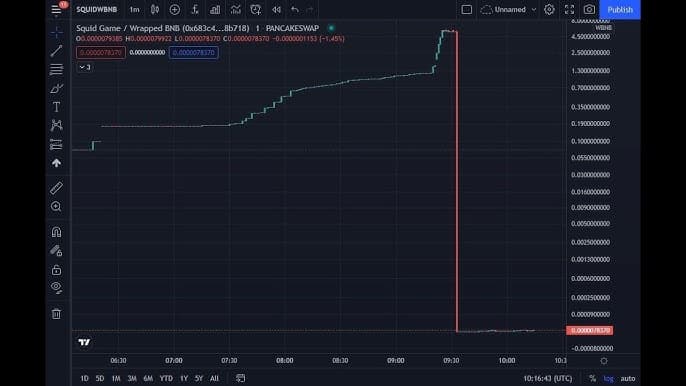
Liquidity pull: The creator removes all liquidity from the trading pool, making the token untradeable and worthless
Mint attack: The creator mints millions of new tokens and dumps them on the market, crashing the price
Honeypot: The token is coded so that only the creator can sell — everyone else's tokens are trapped
Freeze attack: The creator freezes buyer accounts, preventing them from selling
RugCheck detects all of these patterns and more.
How to Use RugCheck
Step 1: Get the Token Address
Every Solana token has a unique contract address (CA). Get this from wherever you found the token — Twitter, Telegram, DEXScreener, Pump.fun, etc.
Important: Always copy the address directly. Don't type it manually (too easy to make a mistake), and verify it matches the official token.
Step 2: Go to RugCheck
Visit rugcheck.xyz. You'll see a search bar front and center.
Step 3: Paste and Check
Paste the token address into the search bar and hit Enter or click Check. RugCheck analyzes the token in seconds and returns a detailed report.
Step 4: Read the Results
RugCheck gives you:
An overall risk level (Good, Warning, Danger)
A list of specific risk factors with severity ratings
Detailed information about each risk
Let's break down what each section means.
Understanding RugCheck Results
Overall Risk Score
RugCheck assigns one of three categories:
Good (green): No major red flags detected. The token's technical setup looks safe. This doesn't mean the token will go up — it just means the basic rug-pull vectors are mitigated
Warning (yellow): Some concerns detected. Could be benign (many new tokens trigger warnings) but investigate further before buying
Danger (red): Significant red flags. One or more indicators suggest the token could be a scam or rug. Proceed with extreme caution, or better yet, don't proceed at all
Risk Factors Explained
Here's what each specific warning means:
Mint Authority Not Revoked
What it means: The token creator can still create (mint) new tokens at any time.
Why it's risky: If someone can mint unlimited tokens, they can inflate the supply and crash the price by selling the newly minted tokens.
Severity: High. For any token claiming to have a fixed supply, this is a major red flag.
When it's okay: Some legitimate projects intentionally keep mint authority for tokenomics reasons (e.g., staking rewards, vesting schedules). But for memecoins, there's no legitimate reason to keep it.
What it means: The token creator can freeze any holder's token account, preventing them from selling or transferring.
Why it's risky: The creator could freeze your tokens, making them effectively worthless to you even if the token has value.
Severity: High. This should almost always be revoked for trustworthy tokens.
RugCheck also flags Token-2022 extensions, which can embed a transfer fee directly into the token. Our breakdown of Token-2022 transfer fees and why they break AMMs explains how to spot one before you get wrecked on the exit.
Liquidity Not Locked or Burned
What it means: The liquidity pool (LP) tokens are still in the creator's wallet. They can remove liquidity at any time.
Why it's risky: If the creator pulls all liquidity, you can't sell your tokens. The price effectively goes to zero because there's no market to sell into.
Severity: Critical. This is the most common rug-pull vector. Always check liquidity status.
Locked vs Burned:
Locked: LP tokens are held in a timelock contract. The creator can't access them until the lock expires. Longer locks = more trust
Burned: LP tokens are sent to a dead address permanently. They can never be recovered. This is the strongest guarantee
What it means: A small number of wallets hold a large percentage of the total token supply.
Why it's risky: If one wallet holds 20% of supply, they can dump and crash the price at any time. This is called "insider concentration."
Severity: Moderate to High, depending on the percentage. General guidelines:
Top holder < 5%: Normal for a well-distributed token
Top holder 5-10%: Worth noting but not necessarily dangerous
Top holder > 10%: Significant risk of a dump
Top holder > 20%: Very high concentration risk
Note: Exclude known addresses like liquidity pools, burn addresses, and exchange wallets. RugCheck usually labels these.
Low Liquidity
What it means: The trading pool has very little value locked in it.
Why it's risky: Low liquidity means high slippage. Your buy pushes the price up significantly, and your sell crashes it down. You may not be able to exit at anything close to the current price.
Severity: Moderate. Not a scam indicator per se, but a practical risk. Tokens with < $5K liquidity can lose 50%+ from a single moderate sell.
Creator Still Holds Tokens
What it means: The wallet that deployed the token still holds a percentage of the supply.
Why it's risky: The creator could sell at any time, crashing the price. However, many legitimate projects have team allocations, so this isn't automatically bad.
Severity: Context-dependent. Check the percentage and whether there's a vesting schedule.
Market data: Current price, market cap, 24h volume
Birdeye: For deeper holder analysis and wallet tracking
Common sense: Does the token's story make sense? Is the community genuine or full of bots?
RugCheck Pro Tips
Check the liquidity lock duration: "Locked" doesn't mean "safe forever." A 7-day lock only protects you for 7 days. Look for locks of 6+ months or burned liquidity
Watch for split wallets: A savvy scammer might spread tokens across 50 wallets instead of holding 20% in one. Check if multiple top wallets were funded from the same source
Verify on multiple tools: Cross-reference RugCheck results with other analysis tools. No single tool catches everything
Use the RugCheck browser extension: If available, install it for instant checks when browsing DEXScreener, Birdeye, or Pump.fun — saves the copy-paste step
Check the deployer's history: If the deployer wallet has launched 10 tokens that all went to zero, the 11th probably isn't different
What RugCheck Can't Tell You
RugCheck analyzes on-chain data. It cannot detect:
Social manipulation: Fake Twitter followers, paid Telegram groups, bot-generated hype
Team background: Who's behind the project and whether they're trustworthy
Narrative quality: Whether the token's story or utility is compelling
Market timing: Whether now is a good time to buy
Future changes: The team might change something after you buy (if they retained any authority)
RugCheck is a safety check, not an investment thesis. Use it to filter out the obvious dangers, then apply your own judgment for everything else. For the wider playbook — the red flags and tools that catch rugs RugCheck alone can miss — see our guide on how to spot and avoid rug pulls on Solana.
Explore more Solana security tools on MadeOnSol. Read our how to buy memecoins safely guide for the full due diligence process. And if you are securing a treasury rather than vetting a single trade, our Squads multisig setup guide covers protecting funds with multiple signers.
September 2026 refresh
RugCheck remains an active Solana token-risk tool and should still be used as one input, not a safety certificate. The core checks in this guide (mint/freeze authority, liquidity and holder concentration) remain useful, but an all-clear cannot detect every insider cluster, compromised social account, off-chain deception or future developer action.
Be careful with browser extensions claiming the RugCheck name: the Chrome Web Store listing we found for "Rugcheck Scanner" is published by a third party (CeedoTech), so do not assume an extension is official merely from its name. The safest workflow is to open RugCheck from its official site and paste/verify the exact mint.