Sniping new liquidity pools on Raydium and Meteora is different from sniping Pump.fun launches. These are tokens that have already graduated from a bonding curve (or launched directly) and are getting their first real DEX liquidity. The opportunity is catching the initial price discovery on a real AMM pool, but the risks are different too — larger liquidity, more sophisticated rugs, and competition from other snipers and bots.
This guide covers the technical details of pool sniping: how to detect new pools, configure your tools, set safety filters, and avoid common traps.
How New Pools Get Created
Understanding the pool creation process helps you snipe smarter.
Raydium Pool Launches
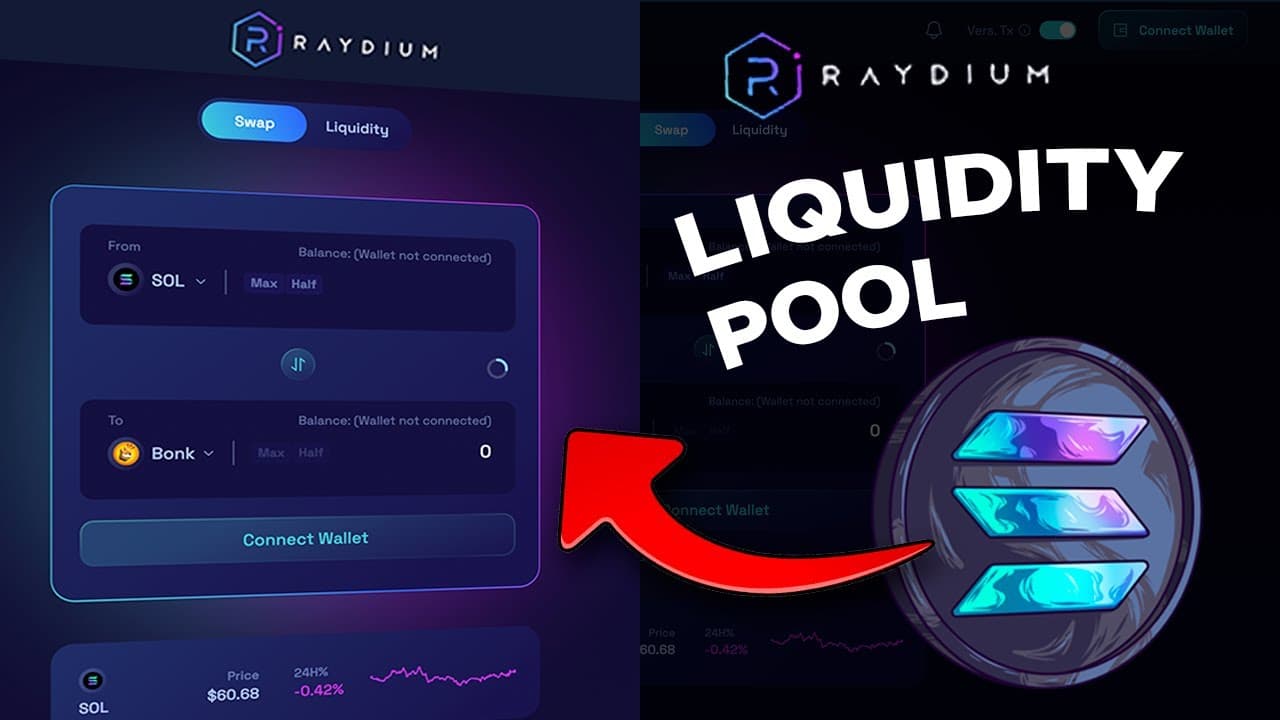
Raydium pools are created when someone calls the initialize instruction on Raydium's AMM program. This creates a new token pair with initial liquidity.
Common scenarios:
- Launchpad graduations: Tokens that complete a bonding curve migrate to an AMM with the accumulated liquidity. Note that Pump.fun graduations have gone to PumpSwap (pump.fun's own AMM) since March 2025, not Raydium — so on Raydium you will mainly see LaunchLab graduations and direct launches, plus the occasional token whose team later adds a Raydium pool
- Direct launches: Project teams create Raydium pools directly, setting their own initial price and liquidity amount
- Raydium LaunchLab: Raydium's own bonding curve launchpad, similar to Pump.fun but graduating natively to Raydium pools
Each scenario has different sniping dynamics. LaunchLab graduations are the most predictable because the migration process follows a standard pattern (Pump.fun graduations follow the same logic, but land on PumpSwap). Direct launches vary wildly in initial liquidity and tokenomics. If you're not yet comfortable with how pools, swaps, and LaunchLab work, our complete guide to using Raydium covers the fundamentals first.
Meteora Pool Launches
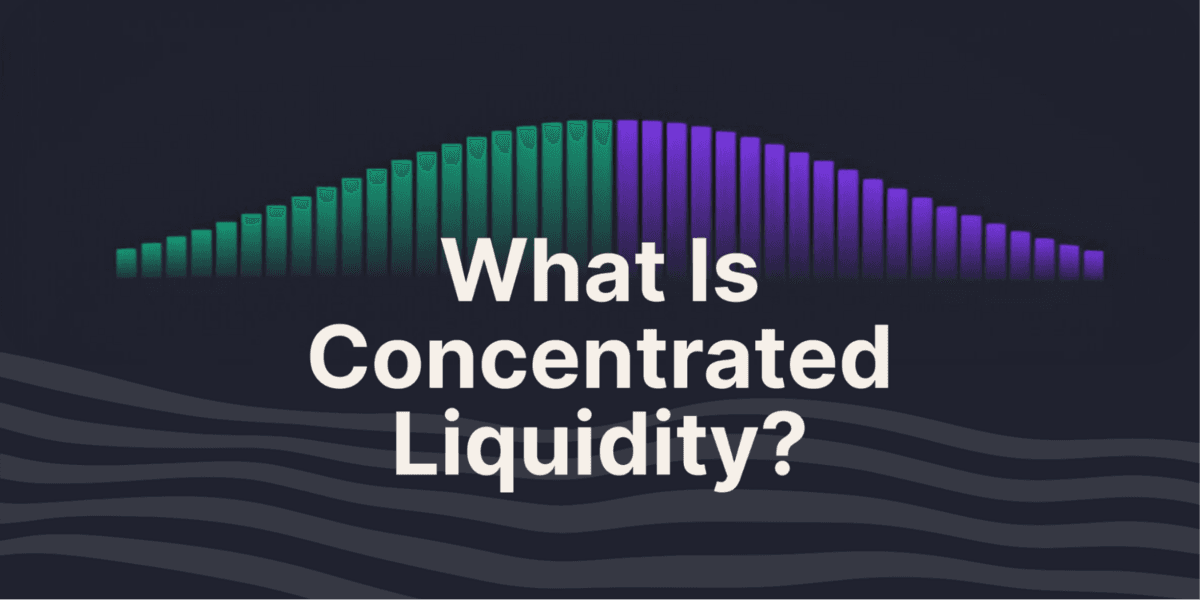
Meteora pools use a different architecture — Dynamic Liquidity Market Maker (DLMM) pools with concentrated liquidity bins.
New Meteora pools are created when:
- Token teams choose Meteora as their primary DEX
- Tokens graduate from Meteora's own launchpad
- LPs create new pairs for tokens that don't have Meteora liquidity yet
Meteora pools can have more complex liquidity distributions than standard Raydium AMM pools, which affects how price moves on initial trades.
Pool Detection Methods
Speed of detection is the first competitive advantage. Here's how to find new pools before most traders.
Using Trading Terminals
The fastest way for most traders is using a trading terminal that monitors new pools in real-time.
BullX: Offers a "New Pools" feed that shows Raydium and Meteora pool creations within seconds. You can filter by initial liquidity size, token age, and other parameters. The feed updates in real-time and you can snipe directly from the pool card.
Photon: Shows new pool activity on its main dashboard. Photon's speed is one of its selling points — it detects new pools very quickly and lets you execute trades with minimal clicks.
Axiom: Provides new pool alerts with built-in token analysis. Axiom's AI-enhanced filtering can help identify which new pools are worth sniping based on token contract analysis and deployer history.
Using Telegram Bots
Trojan and BonkBot both support sniping on Raydium pools. You can configure alerts for new pool creations and execute buy orders directly from Telegram.
The advantage of Telegram bots is that you can snipe from your phone. The disadvantage is less visual information — you can't easily see the liquidity chart or holder distribution before buying.
On-Chain Monitoring (Advanced)
For maximum speed, advanced snipers monitor the Solana blockchain directly:
- Subscribe to Raydium program logs via WebSocket RPC to detect
initialize transactions
- Parse the transaction data to extract pool address, token mint, initial liquidity, and token supply
- Execute a buy transaction programmatically in the same block or next block
This requires programming knowledge and a fast RPC connection. Tools like Helius or Triton provide WebSocket subscriptions with low latency. The edge here is measured in hundreds of milliseconds.
Configuring Your Snipe
Once you've detected a new pool, the configuration of your buy determines your outcome.
Slippage tolerance is the maximum price increase you're willing to accept between submitting your order and it being executed.
Too low (1-5%): Your transaction might fail because other buyers push the price up before your trade lands. You miss the opportunity.
Too high (50%+): You're willing to pay far more than the current price. This protects against failure but means you might buy at a terrible price if there's heavy competition.
Recommended starting point: 15-25% for Raydium pool snipes on popular tokens. Lower (5-10%) for less competitive launches where you're less likely to be front-run.
Adjust based on experience. If your transactions are consistently failing, increase slippage. If you're consistently getting filled at much worse prices than expected, decrease it.
Position Size
Rule of thumb for pool sniping:
- Never risk more than 1-2% of your trading capital on a single snipe
- For a $5,000 trading account, that's $50-100 per snipe
- Spread across multiple opportunities rather than going large on one
Pool sniping has a low win rate and high variance. You'll have many small losses and occasional large wins. Proper position sizing ensures the losses don't wipe you out before the wins arrive.
Priority Fees and Jito Tips
To get your transaction included quickly (ideally in the same block as pool creation), you need to pay for priority.
Priority fees: Set a higher compute unit price to prioritize your transaction. During high-activity periods, 0.001-0.01 SOL in priority fees is typical for competitive snipes.
Jito bundles: For the fastest possible execution, use Jito bundles. These send your transaction directly to Jito validators for next-block inclusion. Jito tips of 0.01-0.05 SOL are common for competitive snipes. BullX, Photon, and Trojan all support Jito integration.
Set your exit strategy before entering. Most trading terminals support auto-sell triggers:
- Take profit: Automatically sell a percentage at 2x, 3x, or 5x
- Stop loss: Automatically sell if price drops 30-50% from entry
- Trailing stop: Lock in profits by setting a stop that follows price up
Example configuration:
- Sell 50% at 2x (recover initial investment)
- Sell 25% at 5x (take profit)
- Let remaining 25% ride with a trailing stop at -40%
This approach ensures you take profits on winners while giving them room to run.