How to Claim an Airdrop Safely
When a project announces an airdrop, claiming usually follows this process:
Step 1: Verify the Announcement
Only trust announcements from official project accounts. Check:
- The project's verified Twitter/X account
- Their official Discord announcements channel
- Their official website
Never trust DMs, emails, or links shared in random Telegram groups. Even if an account looks official, verify the handle character by character — scammers use lookalike accounts with slightly different spellings.
Step 2: Use Official Claim Links
Every legitimate Solana airdrop has a dedicated claim page linked from the project's official channels. For example:
- Jupiter's Jupuary: accessible through jup.ag
- Jito: accessible through jito.network
- Kamino: accessible through app.kamino.finance
Type the URL directly into your browser or access it through the project's official website. Never click claim links from emails, DMs, or social media posts.
Step 3: Connect Your Wallet
On the official claim page:
- Click "Connect Wallet"
- Phantom (or your wallet of choice) will prompt you to approve the connection
- The page will check your wallet against the snapshot and show your allocation
- Click "Claim" to receive your tokens
Phantom will show you a transaction preview. Review what you're signing — a legitimate airdrop claim only sends tokens TO your wallet. If the transaction preview shows tokens going FROM your wallet, or asks you to approve spending limits, it's a scam. Cancel immediately.
Step 4: Decide What to Do With Your Tokens
Once claimed, you have options:
- Hold: If you believe in the project long-term
- Stake: Some projects offer bonus rewards for staking airdropped tokens (like Jupuary 2026's staking bonus)
- Sell: Swap to SOL or USDC on Jupiter or another DEX
- Partial sell: Take some profit and stake the rest
Historical data shows that most airdrop tokens see significant sell pressure in the first hours/days after distribution. If you plan to sell, acting quickly after claims open typically gives better prices. If you plan to hold, be prepared for short-term price drops.
How to Avoid Airdrop Scams
Airdrop scams are one of the most common threats in the Solana ecosystem. Scammers know that people are excited about free tokens and use that excitement against them. The FTC reports that since 2021, over 46,000 people have lost more than $1 billion to crypto scams.
Common Airdrop Scams
Fake claim websites: Scammers clone official airdrop pages with nearly identical designs but host them on different domains. When you connect your wallet and "claim," you actually sign a malicious transaction that drains your wallet. These sites are promoted through fake social media accounts, phishing emails, and even Google ads.
Wallet drainers: The most dangerous type of scam. You visit a fake airdrop site, connect your wallet, and approve what looks like a claim transaction. In reality, you've approved a smart contract that can drain your entire wallet — all tokens, all SOL, everything. Cryptocurrency transactions are irreversible, so once your funds are gone, they cannot be recovered.
Fake email airdrops: Emails that appear to come from "The Solana Foundation" or specific projects claiming you're eligible for a reward. These always contain links to phishing sites. Legitimate projects rarely send airdrop notifications via email.
Scam tokens airdropped to your wallet: You might notice random tokens appearing in your wallet that you didn't buy. These are "dust attacks" — scam tokens designed to lure you into interacting with a malicious contract when you try to sell or transfer them. The token name might include a URL. Never visit these URLs and never try to sell or interact with unknown tokens that appeared in your wallet uninvited.
Fake social media accounts: Scammers create Twitter/X accounts that look nearly identical to official project accounts (with slightly different usernames) and post fake airdrop announcements. They also hack legitimate accounts to post scam links.
Airdrop Safety Checklist
Before claiming any airdrop, run through this checklist:
1. Verify the source
- Is the announcement from the project's verified official account?
- Can you find the same announcement on their official website?
- Are other trusted community members and news sources confirming it?
2. Check the URL
- Does the claim page URL exactly match the project's known domain?
- Is there HTTPS (padlock icon) in the browser?
- Watch for lookalike domains: "jup-ag.com" is NOT "jup.ag"
3. Use a dedicated wallet
- Never connect your main wallet (the one with significant holdings) to claim pages
- Use a separate "claiming wallet" with minimal funds
- After claiming, transfer the airdrop tokens to your main wallet
4. Read the transaction before signing
- Your wallet will show a transaction preview — read it
- A legitimate claim should only SEND tokens to you
- If it asks to APPROVE spending, TRANSFER tokens from you, or ACCESS your other tokens, it's a scam
- If you see "unlimited approval" or access to all your tokens, reject immediately
5. Never share your seed phrase
- No legitimate airdrop will ever ask for your seed phrase, recovery phrase, or private key
- If any website asks for these, it's 100% a scam
- Your seed phrase grants complete access to all funds in your wallet
6. Don't interact with unknown tokens in your wallet
- Random tokens appearing in your wallet are likely dust attacks
- Don't try to sell them, transfer them, or visit any URLs in their names
- Simply ignore them — they can't harm you if you don't interact with them
Tools for Tracking Airdrops
Stay on top of upcoming Solana airdrops with these resources:
Phantom Wallet — Phantom sends push notifications and in-app banners when your wallet is eligible for a Solana airdrop. This is the most convenient way to never miss a claim window.
Airdrops.io — Comprehensive database of ongoing and upcoming airdrops across all chains, including Solana. Regularly updated with eligibility criteria.
AirdropBee — Features an airdrop checker tool specifically for Solana wallets. Paste your address to see if you're eligible for any active distributions.
DeFiLlama — Track TVL and activity across Solana protocols. Projects with high TVL but no token are prime airdrop candidates.
Twitter/X — Follow official project accounts and trusted Solana community members. Most airdrop announcements happen on Twitter first. Follow @JupiterExchange, @SolanaMobile, @phantom, @BackpackExchange, and other major projects.
Solscan / SolanaFM — Block explorers that let you verify claim transactions and check wallet activity history. Useful for verifying whether a claim transaction is legitimate.
How Much Can You Realistically Earn?
Setting realistic expectations is important. Not every airdrop will be life-changing:
| Effort Level | Time Investment | Typical Capital | Realistic Returns |
|---|
| Casual | 1–2 hours/month | $50–$200 in SOL | $50–$500 per year |
| Moderate | 1–2 hours/week | $300–$1,000 | $500–$5,000 per year |
| Dedicated | Daily activity | $1,000–$5,000 | $2,000–$20,000+ per year |
These are rough estimates based on historical Solana airdrop data. The biggest variable is which projects you happen to use before they launch tokens. Someone who casually used Jupiter in 2023 received thousands of dollars in the first Jupuary without even trying to farm.
Tips for Maximizing Returns
1. Focus on genuine usage, not gaming. Projects are increasingly sophisticated at detecting sybil attacks (one person using multiple wallets to multiply rewards). Using 3–5 wallets with tiny amounts each is less effective than using 1 wallet with real activity.
2. Prioritize protocols with venture capital backing. Projects that have raised significant VC funding are more likely to launch tokens (VCs want liquidity events). Check Crunchbase or project announcements for funding rounds.
3. Be early. The earliest users of any protocol typically receive the largest allocations. If you hear about a new Solana DeFi protocol, try it sooner rather than later.
4. Participate in governance. Staking tokens and voting on proposals signals genuine community involvement. Jupiter explicitly rewarded JUP stakers in Jupuary 2026.
5. Don't sell immediately (sometimes). Some airdrops offer staking bonuses for holders. Jupuary 2026 set aside 200 million JUP specifically for users who stake their airdrop for the full year. Calculate whether the staking bonus is worth more than immediate profit-taking.
Tax Implications of Airdrops
A quick but important note: in most jurisdictions, airdrop tokens are considered taxable income at the time you receive them, valued at their fair market price on the date of receipt. If you later sell the tokens at a different price, you may also owe capital gains or losses.
This is not tax advice — consult a tax professional familiar with cryptocurrency in your country. But keep records of:
- The date you claimed each airdrop
- The token price at the time of claiming
- The date and price of any subsequent sales
Tools like Koinly, CoinTracker, and TokenTax can help track crypto tax obligations. We'll cover this topic in depth in a future guide.
Frequently Asked Questions
Do I need to pay to participate in Solana airdrops?
No. Legitimate airdrops are free. You only need SOL for transaction fees (fractions of a cent on Solana) when interacting with protocols. Any "airdrop" that asks you to send tokens or pay a fee to claim is a scam.
How do I know if my wallet is eligible for an airdrop?
Projects typically publish airdrop checkers on their official websites after the snapshot. Phantom also sends in-app notifications when your wallet is eligible. Always verify through official channels only.
Can I use multiple wallets to get more airdrops?
Technically yes, but projects are increasingly sophisticated at detecting this (called "sybil detection"). Using many wallets with tiny amounts often flags you as a farmer and can result in reduced or zero allocation. One wallet with genuine, consistent activity typically outperforms multiple low-activity wallets.
What if I missed the snapshot for an airdrop?
If the snapshot has already been taken, you can't retroactively qualify. But most projects plan multiple airdrop rounds or have ongoing reward programs. Focus on positioning for future distributions rather than worrying about past ones.
Are airdrops taxable?
In most countries, yes — airdrop tokens are taxable as income when received. Consult a tax professional in your jurisdiction.
How do I protect myself from airdrop scams?
Never share your seed phrase, only use official claim links from verified project accounts, read transaction previews before signing, and use a dedicated wallet for claiming. See the full scam avoidance section above.
Which Solana wallet is best for airdrops?
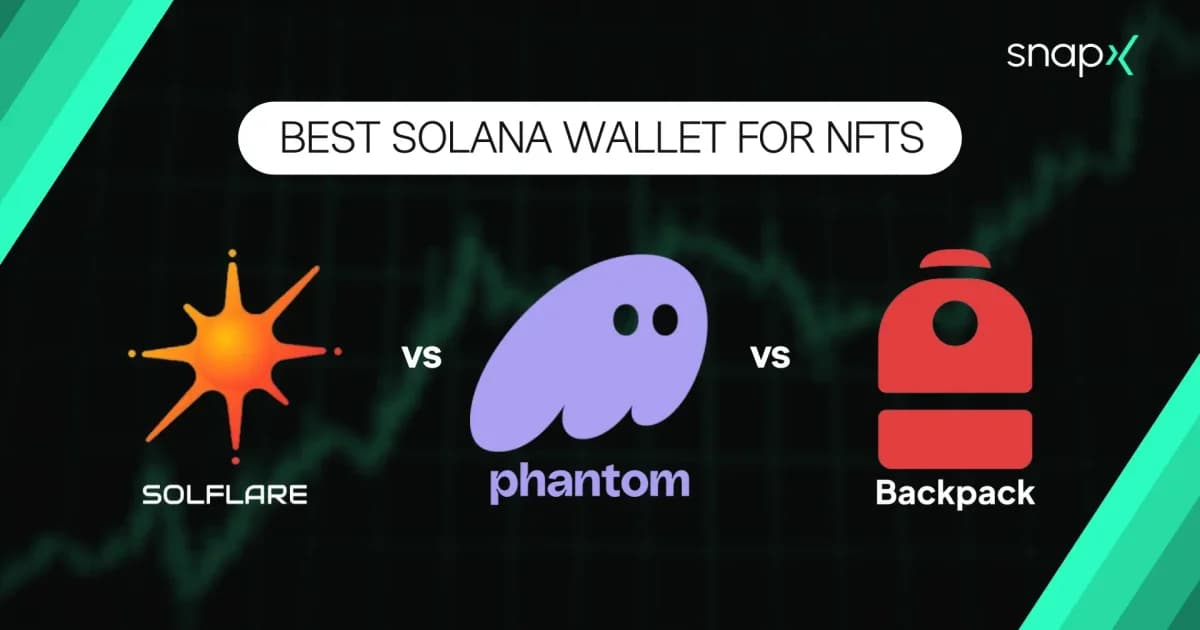
Phantom is the most popular choice because it has built-in airdrop notifications. Solflare and Backpack are also solid options. Use whichever wallet you're most comfortable with — the wallet itself doesn't affect your eligibility.
How much SOL do I need to start farming airdrops?
You can start with as little as $50–$100. Solana's low fees mean you can interact with many protocols for pennies. A budget of $300–$500 allows for more meaningful activity across multiple protocols.
The Bottom Line
Solana airdrops represent one of the most accessible ways to earn free crypto in 2026. The ecosystem has a proven track record of rewarding genuine users — Jupiter alone has distributed billions across three Jupuary events, and projects like Jito, Kamino, Tensor, and Magic Eden have collectively rewarded millions of wallets.
The strategy isn't complicated: set up a Phantom wallet, spread your activity across multiple DeFi protocols, be consistent rather than intense, participate in governance, and stay patient. The biggest airdrop rewards go to people who were using protocols months before the token launch was even announced.
But stay vigilant. For every legitimate airdrop, there are hundreds of scams. Never share your seed phrase, never click random claim links, never interact with unknown tokens in your wallet, and always verify everything through official project channels. A few seconds of caution can save you from losing everything.
The next big Solana airdrop could come from any protocol you're using today. Position yourself now, stay active, and keep your wallet safe.
Useful Tools & Resources
Want to stay safe while trading on Solana? Read our guides on how to spot rug pulls, MEV bots and how they steal from traders, and learn how to trade on Axiom or BullX. New to Solana? Start with our DeFi beginner's guide.