Managing DeFi positions manually is a full-time job. You have to monitor your liquidity ranges, compound your rewards, adjust to market conditions, and rebalance across protocols. Most people do not have the time, tools, or discipline to do this consistently.
DeFi vaults and structured products solve this problem. They automate yield strategies so your capital works while you do something else. On Solana, several protocols have built sophisticated vault products that range from simple auto-compounding to complex options-based structured products.
This guide covers the major vault and structured product platforms on Solana, how they work, their risk profiles, and how to choose the right one for your goals.
What Are DeFi Vaults?
A DeFi vault is a smart contract that accepts deposits and executes a predefined yield strategy automatically. You deposit assets, the vault does the work, and you earn yield. Think of it as a managed fund, but on-chain, transparent, and permissionless.
Vaults come in several flavors:
- Auto-compounding vaults that reinvest earned rewards back into the position, maximizing compound returns.
- Liquidity management vaults that automatically adjust concentrated liquidity positions as prices move.
- Lending optimization vaults that move funds between lending protocols to capture the best rates.
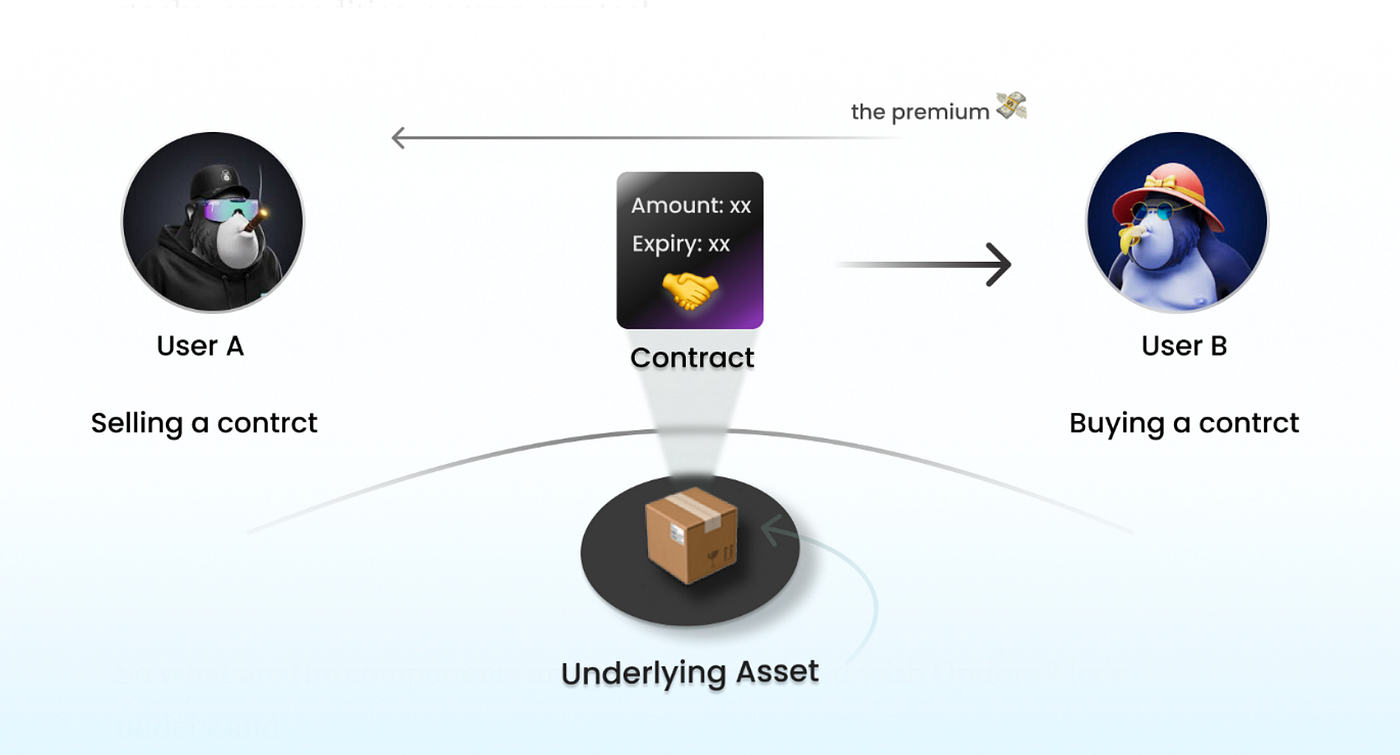
- Options-based structured products that sell options or use derivatives to generate yield from volatility.
Each type carries different risks and return profiles. Understanding these differences is essential before depositing.
Kamino Finance is Solana's largest DeFi protocol by TVL, and its Earn vaults are among the most popular automated yield products in the ecosystem. For the full picture of its lending, borrowing, and vault products, see our Kamino Finance guide.
How Kamino Vaults Work
Kamino vaults automate concentrated liquidity provision on Solana DEXs. When you deposit into a Kamino vault, the protocol:
- Deploys your capital into a concentrated liquidity position on the underlying DEX pool (Orca, Raydium, or Meteora).
- Sets an optimal price range based on the vault's strategy parameters.
- Automatically rebalances the position when the price moves outside the range.
- Compounds earned trading fees back into the position.
- Issues you a kToken (receipt token) representing your share of the vault.
The kTokens are composable — you can use them as collateral on Kamino Lend or other protocols, earning yield on top of yield.
Kamino Vault Categories
Kamino organizes vaults by risk profile:
Stable-Stable Vaults (e.g., USDC-USDT): Low risk, low return. These earn from trading fees on stablecoin swaps. Typical APY: 5-15%. Minimal impermanent loss risk since both assets track the same value.
SOL-Stable Vaults (e.g., SOL-USDC): Medium risk, medium return. You earn trading fees but face impermanent loss if SOL price moves significantly. Typical APY: 15-40% depending on market conditions. Higher volatility means more trading volume, which means more fees — but also more IL.
LST-SOL Vaults (e.g., JitoSOL-SOL): Lower risk than SOL-stable pairs because both assets are correlated (both are effectively SOL). You earn trading fees plus the difference in staking yield. Typical APY: 8-20%. These are popular for SOL-denominated yield — and you can push them further by depositing a restaked LST like sSOL, which our Solayer restaking guide to sSOL and sUSD breaks down.
Volatile Pair Vaults (e.g., JUP-SOL): Higher risk, higher potential return. Both assets are volatile and their correlation is lower. Impermanent loss can be significant during large price moves. Typical APY: 20-80%+ but highly variable.
Kamino Risk Considerations
- Impermanent loss. The primary risk for any liquidity vault. If one asset in the pair moves significantly relative to the other, you can end up with less total value than if you had simply held both assets. Kamino's auto-rebalancing helps but does not eliminate IL.
- Smart contract risk. Your funds are in Kamino's contracts plus the underlying DEX's contracts. Multiple layers of smart contract risk.
- Rebalancing costs. Every rebalance incurs transaction fees and potentially realizes some IL. In extremely volatile markets, frequent rebalancing can eat into returns.
- Vault capacity. Some vaults have deposit caps. When a vault is full, new deposits may earn lower marginal returns.
Drift Protocol Vaults
Update (September 2026): Drift Protocol was drained in an ~$280-295M exploit in April 2026 and has been relaunching in private beta since August 2026 as Velocity Exchange — a leaner perps + lending venue. Spot markets, vaults, and prediction markets were all dropped in the relaunch, so the vault products described below are no longer available on the platform. They're kept here as a record of how Drift's vault system worked before the exploit. If you'd rather trade the perps directly, our beginner guide to trading Solana perpetuals covers opening positions step by step, with the caveat that leverage and market availability are still being rebuilt out in private beta.
Drift Protocol was primarily known as a perpetual futures DEX, but its vault system used to offer unique yield opportunities that leveraged Drift's trading infrastructure.
Drift Vault Mechanics
Drift vaults worked differently from Kamino vaults. Instead of providing liquidity, Drift vaults typically:
- Delegate funds to vault managers who trade on Drift's perpetual markets. The manager executes strategies (delta-neutral, basis trading, momentum) using depositor funds.
- Earn from funding rates on perpetual positions. When perp funding is positive, shorts earn from longs, and vice versa. Vaults can capture this consistently.
- Market make on Drift's order book. Some vaults provide liquidity to Drift's DLOB (decentralized limit order book), earning the spread.
Types of Drift Vaults
Delta-Neutral Vaults: These hold a spot position and an equal short perp position, earning funding rate yield while being market-neutral. When perpetual funding is positive (which it often is during bull markets), these vaults earn consistent yield without directional exposure. Historical APYs range from 10-30% during positive funding periods.
Basis Trading Vaults: Similar to delta-neutral but specifically targeting the basis (price difference between spot and perp). The vault buys spot, sells perp, and earns the convergence plus funding. Works best when perps trade at a premium to spot.
Active Trading Vaults: Managed by experienced traders who use depositor funds to trade perps. These are higher risk — your returns depend on the manager's skill. Check the manager's track record, maximum drawdown, and fee structure before depositing.
Drift Vault Risks
- Manager risk. For actively managed vaults, a bad trade can lose depositor capital. Look for vaults with drawdown limits and transparent track records.
- Funding rate reversal. Delta-neutral vaults lose money when funding flips negative. Extended periods of negative funding (common in bear markets) can result in sustained losses.
- Liquidation risk. Leveraged vault strategies can get liquidated in extreme moves. Check the vault's maximum leverage and historical margin usage.
- Withdrawal delays. Some vaults have epoch-based withdrawals — you cannot exit instantly. Understand the withdrawal mechanics before depositing.