Solana and Hyperliquid both compete for serious crypto traders, but they approach the problem from completely different angles. Solana has a sprawling DEX ecosystem with dozens of protocols and thousands of tradable tokens. Hyperliquid runs a purpose-built chain optimized specifically for order book trading.
If you're deciding where to trade — or whether to use both — this comparison covers the real differences that matter for daily trading in 2026.
Architecture and Design Philosophy
The fundamental difference is that Solana is a general-purpose L1 blockchain with a trading ecosystem built on top. Hyperliquid is a chain built from the ground up as a decentralized exchange.
Solana's approach: Multiple DEXs and aggregators compete for your trades. Jupiter aggregates liquidity across Raydium, Orca, Meteora, and dozens of other venues. Perpetual venues on Solana have changed: Jupiter Perps is active; Drift is in a security-first recovery/reboot process after the April 2026 incident; Zeta Markets shut down and its successor project is Bullet; Flash Trade is winding down. Each protocol has its own smart contracts, liquidity pools, and mechanics.
Hyperliquid's approach: One chain, one order book, everything in-house. The entire chain runs an on-chain central limit order book (CLOB). Every trade settles on their proprietary L1 consensus mechanism. There's no need for aggregation because there's only one venue.
This creates a core trade-off: Solana offers ecosystem diversity and token variety at the cost of fragmented liquidity. Hyperliquid offers a unified, optimized trading experience but with a narrower scope.
Spot Trading
Token Availability
This is where Solana wins decisively.
Solana's DEX ecosystem lists hundreds of thousands of tokens. From established assets like SOL, JUP, and BONK to brand-new memecoins launching every minute on Pump.fun, if a token exists on Solana, you can trade it immediately through Jupiter or directly on Raydium.
Hyperliquid's spot trading is more limited. While they've expanded significantly with HIP-1 (their token standard) and the spot order book, the selection is still a fraction of what's available on Solana. You're mostly trading established tokens and Hyperliquid-native assets.
If you trade memecoins, new launches, or long-tail tokens, Solana is the only real option. Hyperliquid can't compete on token variety.
Execution and Pricing
For the tokens both platforms support, execution quality differs based on order type.
Market orders: Jupiter's aggregation engine routes your trade across multiple liquidity sources to minimize slippage. For a $10,000 SOL/USDC swap, you'll typically see slippage under 0.1%. Hyperliquid's order book can match this for major pairs, and for high-volume pairs the spread is often tighter than AMM-based pricing.
Limit orders: This is where Hyperliquid's order book shines. True limit orders execute at your exact price or better. On Solana, Jupiter's limit orders work through a different mechanism — they're essentially monitored triggers that execute market orders when price conditions are met. Functional, but not the same as native order book limits.
Fees
Solana DEX fees vary by protocol:
- Jupiter: No protocol fee on most routes (you pay the underlying AMM fee, typically 0.25-0.30%)
- Raydium: 0.25% for standard pools, less for concentrated liquidity
- Network transaction fees: Usually under $0.01, sometimes $0.05-0.50 with priority fees during congestion
Hyperliquid spot fees:
- Maker: 0.04% at the base tier (down toward 0% with volume and HYPE staking discounts)
- Taker: 0.07% at the base tier (down toward ~0.025% at the highest volume tiers)
- No gas fees (absorbed by the chain)
For spot trading specifically, Hyperliquid's fee structure is cheaper per trade. But the lack of token variety makes this advantage irrelevant for most Solana traders.
Perpetual Trading
This is where the comparison gets more interesting, because both platforms offer serious perp trading infrastructure.
Solana Perps Ecosystem
Solana has multiple perp venues, each with different mechanics. If you're new to leveraged trading, our step-by-step beginner guide to trading Solana perpetuals walks through opening your first position on these venues:
Jupiter Perpetuals: The highest-volume Solana perp venue today. Oracle-priced against the deep JLP liquidity pool, so trades execute with zero price impact. Covers SOL, ETH, and wBTC up to 250x leverage, with a 0.06% open/close fee plus a variable borrow rate.
Drift Protocol: A major Solana perp DEX now in recovery/rebuild after the April 2026 exploit. Drift's own June recovery update says the team intends to relaunch a security-first, USDT-based perpetual exchange after audits and protocol hardening. Until Drift publishes that relaunch, do not treat the pre-incident product as a current venue.
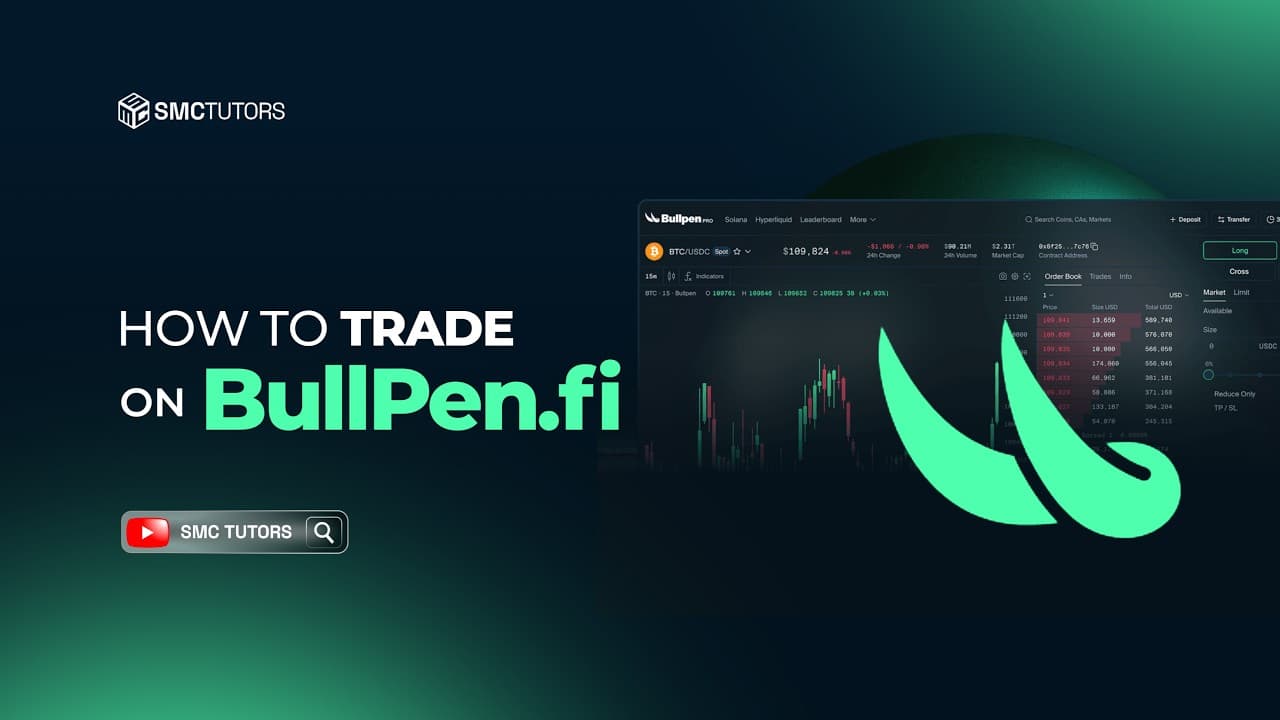
Zeta Markets: Zeta Markets shut down in 2025. Its successor, Bullet ($BULLET, formerly $ZEX), is a Solana network extension offering multi-collateral spot, perps, and lending across crypto, equities, and commodities, with ~2ms latency via Celestia data availability, ZK-proof settlement, and up to 100x leverage.
Flash Trade: Winding down since August 31, 2026 — closed to new positions and deposits, remaining positions force-closed, and LPs directed to withdraw. No longer usable for new trades.
Hyperliquid Perps
Hyperliquid is purpose-built for perps and currently supports a broad market set, including builder-deployed HIP-3 markets. Market count, open interest and leverage limits move quickly, so use Hyperliquid's live market/API data for current figures rather than treating a September snapshot as a permanent product spec. The structural comparison remains: Hyperliquid concentrates perp liquidity into one trading stack, while Solana's active perp liquidity is split across independent venues such as Jupiter Perps.
The order book depth on major pairs (BTC, ETH, SOL) is competitive with centralized exchanges. This matters for larger position sizes where slippage becomes a factor.
Fee Comparison for Perps
| Solana (Jupiter Perps) | Hyperliquid |
|---|
| Fee model | 0.06% open + 0.06% close + borrow rate | Maker/taker order book |
| Maker fee | N/A (pool-based, no order book) | 0.015% base (down toward 0% at higher tiers) |
| Taker fee | N/A (pool-based, no order book) | 0.045% base (down toward ~0.024% at higher tiers) |
| Gas costs | $0.01-0.50 per tx | None |
| Funding rates | Variable, paid hourly | Variable, paid hourly |
Hyperliquid's order book fees are cheaper than Solana DEX spot fees, and the absence of gas fees adds up for active traders placing many orders. Jupiter Perpetuals' oracle/pool model isn't directly comparable on a maker/taker basis, but its flat 0.06%-per-side fee is competitive for traders who don't need order-book execution. (Drift's pre-incident product is historical while its official security-first relaunch remains pending — see above.)
Both ecosystems handle liquidations on-chain, but risk-engine details are venue-specific and version-specific. Do not infer the risk/insurance design of Drift's future relaunch from the old deployment; Drift says the protocol is being rebuilt and independently audited. Hyperliquid backstops the system with the HLP vault plus auto-deleveraging (ADL) for the rare cases where the vault alone can't absorb a cascade.
Hyperliquid's risk engine is more mature for perp trading — it handles partial liquidations and auto-deleveraging more gracefully, which matters if you're running leveraged positions during volatile markets.