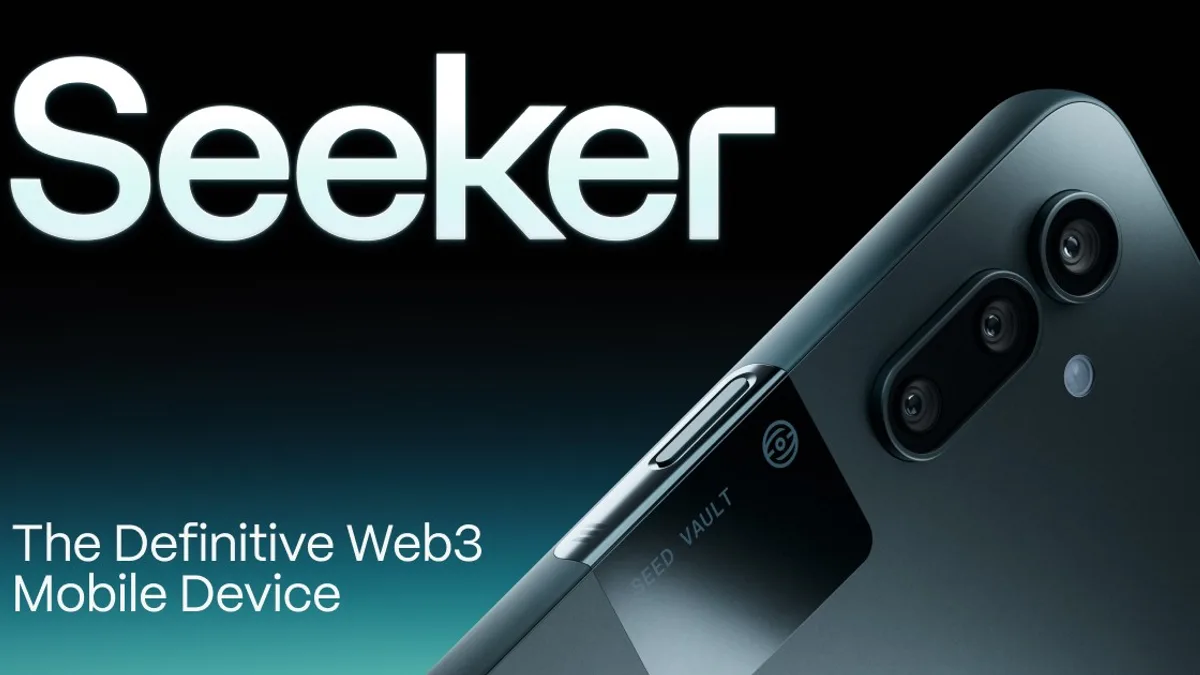
The Solana Mobile SKR token launched on January 21, 2026 — and unlike most airdrops, this one was tied to a physical product. If you bought a Seeker phone, you were eligible. If you owned the older Saga phone, you weren't.
This post breaks down how the airdrop actually worked, the tokenomics behind SKR, what the token is supposed to do, and the open questions for anyone evaluating it as either an asset or a network primitive. Most takes on the SKR airdrop missed the structural detail. We won't.
The numbers
Total supply: 10 billion SKR, fixed.
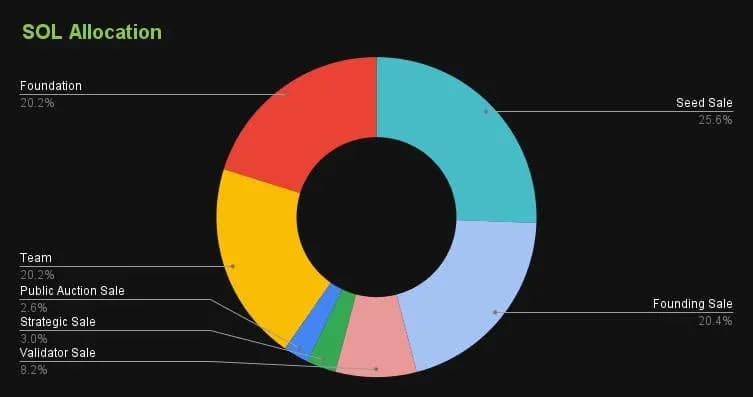
Allocation breakdown:
| Bucket | Allocation | Purpose |
|---|
| Airdrop (Season 1 Seeker owners) | 18% (1.82B SKR) | Distributed Jan 21, 2026 |
| Future airdrops + growth | 25% | Subsequent seasons, ecosystem grants |
| Liquidity + launch | 10% | Initial DEX liquidity, market-making |
| Community treasury | 10% | DAO-governed grants |
| Solana Mobile (company) | 15% | Vesting, team operations |
| Solana Labs | 10% | Vesting, partnership |
| Reserves | 12% | Held by foundation |
The 1.82B SKR airdrop went to about 100,900 wallets — that's the number of active Seeker users in Season 1. The average allocation was around 18,000 SKR per user, though the distribution was intentionally uneven based on Genesis Token ownership and Season 1 activity.
SKR launched at roughly $0.04 per token at the initial DEX listing, putting the average Seeker airdrop value around $720 per phone. Set against the Seeker's $499 retail price, the airdrop alone covered the cost of the device plus change.
How eligibility worked
The eligibility mechanism was tighter than most airdrops, which is why bot farming didn't break it.
When you bought a Seeker phone, you were issued a Seeker Genesis Token — a non-transferable soulbound token (SBT) bound to the device. The Genesis Token couldn't be sold, couldn't be moved between wallets, and was the sole input to the airdrop's eligibility check at the end of Season 1.
Owners of the previous Saga phone — even those who had been deeply involved in Solana Mobile's early dApp Store — were not eligible for the SKR drop. This was a deliberate choice. Saga owners got the original SAGA airdrop (which paid out via BONK and a handful of other tokens in early 2024); SKR was structured as a fresh program tied to the Seeker hardware generation specifically.
Bot farming was nearly impossible. You had to own physical hardware, register it during Season 1, and use the on-device Seed Vault wallet to claim. No amount of wallet activity from non-Seeker wallets would qualify you. This is also why the eligible wallet count was a clean ~100k rather than hundreds of millions of farmer-spawned addresses.
Claim mechanics and the 90-day window
Claims opened January 21, 2026 at 2:00 AM UTC, directly inside the Seed Vault Wallet on the Seeker device. The claim cost was roughly 0.015 SOL in transaction fees — about $1.20 at the time — paid from whatever SOL the user had on the device.
The claim must come from the wallet holding the Seeker Genesis Token at the end of Season 1. If you wiped your Seeker and reset the wallet between then and Jan 21, you forfeited the claim. If you sold your Seeker before the snapshot but after registering, the buyer wasn't eligible (the SBT stayed bound to your original wallet, even though the physical hardware changed hands).
The 90-day claim window closed April 20, 2026. Unclaimed SKR — and there's a non-trivial amount, since Solana Mobile estimated maybe 12-15% of Season 1 owners would never claim — went permanently unclaimable. Those tokens were burned, not redistributed.
If you're reading this and never claimed: too late. The window closed. Move on.
SKR tokenomics — inflation, staking, governance
SKR inflation starts at 10% APY in Year 1 and decays by 25% per year, hitting a terminal rate of about 2% after six years. The inflation pays validator rewards on the Solana Mobile dApp Store infrastructure plus staking rewards to SKR holders who delegate.
Staking works by delegating SKR to Guardians — a set of approved entities (Helius, Jito, Solana Mobile itself, and selected community operators) that run the network infrastructure. Stakers earn ongoing rewards in SKR; Guardians earn a commission. The mechanics will feel familiar to anyone who has staked SOL.
Governance is direct DAO voting weighted by staked SKR. Major decisions — Guardian admission, treasury grants, fee parameters for the dApp Store — go through on-chain votes. The community treasury (10% of supply) is the budget being voted on.