Power Your AI Trading Agent with Solana Data: MCP vs Agent-Kit vs x402 (2026)
An AI agent is only as sharp as the data it can reach. This guide compares the three ways to wire live Solana memecoin intelligence — KOL flow, rug scores, deployer reputation — into an agent: the MCP server for Claude and Cursor, the solana-agent-kit plugin for autonomous JS agents, and x402 micropayments where the agent's wallet IS the API key. With the decision table, code-free setup for each, and the safety line that matters: the data layer never executes trades.

Building a product on Solana or Robinhood Chain data?
Skip the Geyser pipeline — embed KOL flow, deployer reputation, and the all-DEX firehose over REST, WebSocket, or webhooks. The Business tier (€400/mo) is the self-serve embed license at 500k calls/day — Enterprise adds white-label & redistribution.
Tools mentioned
Compare features and read reviews.
Live health scores, average ratings, and direct links on MadeOnSol.



Get this data via API
Stream real-time KOL trades, PnL rankings, and coordination signals programmatically.
import { MadeOnSol } from "madeonsol";

const client = new MadeOnSol({ apiKey: "msk_your_key" });

// Real-time KOL trades
const { trades } = await client.kol.feed({ limit: 10, action: "buy" });

// KOL convergence signals
const { tokens } = await client.kol.coordination({ min_kols: 3 });Building a product on Solana or Robinhood Chain data?
MadeOnSol isn't an RPC or another generic token API — it's Solana & Robinhood Chain memecoin intelligence that's painful to build in-house, pulled from dual-region gRPC shred streams and our own Robinhood Chain node, pushed to your app as events land.
Signals you'd otherwise build
KOL & smart-money flow from 2,000+ labeled wallets, deployer reputation, coordination clusters, linked-wallet entity resolution, and an all-DEX firehose.
Keep reading
More from the blog.
Education
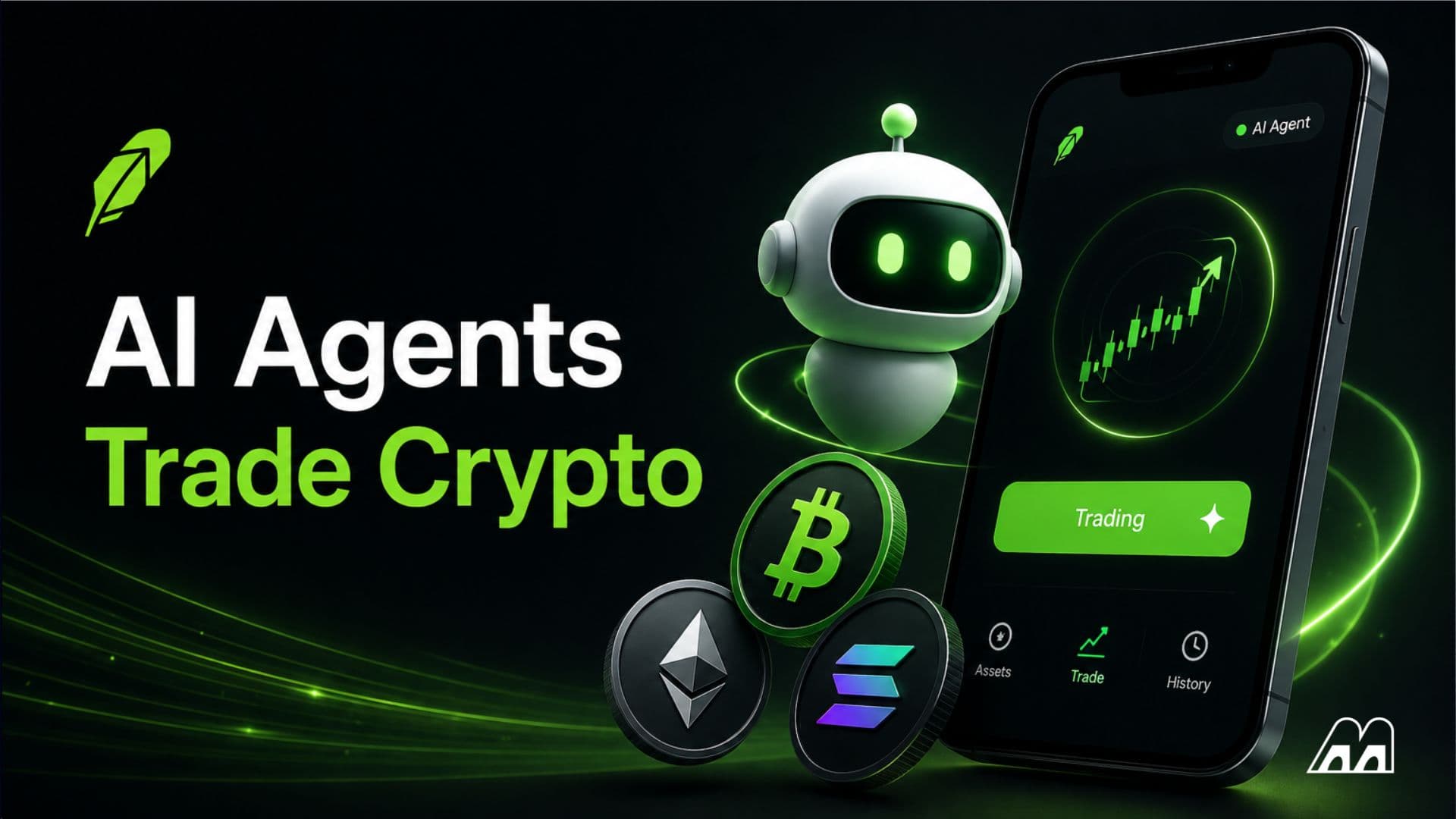
Agentic Trading in 2026: What Actually Changed
More than 70% of Solana DEX volume on peak launch days now comes from autonomous agents, not humans. Here's what shifted this year in MCP, x402, and agent tooling — and how MadeOnSol's infrastructure compares to what exchanges are shipping.

Developer Tools
Is Your API Agent-Ready? A Checklist (2026)
The most common reason AI agents fail against an API isn't missing data — it's undocumented rate limits and no machine-readable discovery. A concrete, dated checklist for what agent-ready actually means in 2026, using MadeOnSol's own build as the worked example.
Enjoyed this article?
Explore the live data.
Real-time KOL trades, Pump.fun deployer intel, and 1,200+ ranked Solana & Robinhood Chain tools — free to explore.
Open the KOL Tracker