
Head-to-head · Comparison
Features, pricing, health score, community ratings — side-by-side from the live MadeOnSol database.
Updated October 17, 2026
 | ||
|---|---|---|
| Rating | (1) | (5) |
| Pricing | Freemium | Free |
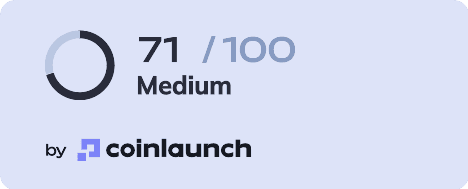
| Health | Healthy | Healthy |
| Chain | Solana | Solana |
| Open Source | ||
| Features | 6 features | 8 features |
| Upvotes |
This page may contain affiliate links. We may earn a commission if you sign up through our link, at no extra cost to you.
Pros & cons
Analysis
Hinkal Hinkal is a universal confidential settlement infrastructure for public blockchains including Solana. Using zero-knowledge proofs and stealth addresses, Hinkal enables users to swap, stake, yield farm... Jupiter Jupiter is Solana's dominant DEX aggregator and the central hub for decentralized trading on the network. Processing billions of dollars in monthly volume, Jupiter routes trades across dozens of liqui...
Hinkal is rated higher by the MadeOnSol community with 5.0/5 stars across 1 review, compared to 4.8/5 for Jupiter (5 reviews). That said, ratings only tell part of the story — what matters most is which tool fits your specific workflow.
Hinkal uses a freemium model, while Jupiter is free — Free to use for swaps. Small platform fees on perps (0.1% taker, 0.01% maker). JUP token used for governance.. Jupiter has the edge for budget-conscious users, though Hinkal's paid tier may offer features worth paying for.
Hinkal offers 6 features including Zero-knowledge proof privacy for all DeFi actions, Invisible Wallet browser extension with auto-shielding, Private swaps, staking, yield farming, and payments, and 3 more. Jupiter counters with 8 features including DEX aggregation across 20+ Solana liquidity sources for best-price routing, Perpetual futures trading (Jupiter Perps) with up to 100x leverage, Dollar-Cost Averaging (DCA) with customizable intervals and amounts, and 5 more. The right choice depends on which specific features matter for your use case — check the individual review pages for full breakdowns.
We monitor both tools around the clock for uptime, SSL validity, and response times. Hinkal currently has a healthy health status with 100.0% uptime over the last 30 days. Jupiter is rated healthy with 100.0% uptime. For any tool you trust with your funds, trades, or yield, uptime and speed are non-negotiable.
Hinkal's key strengths include proven volume with 00m+ in confidential transactions, multi-chain support including solana and evm chains, institutional-grade compliance with viewing keys.
More comparisons
Compare Hinkal with…
Compare Jupiter with…
Explore more
Keep comparing
DEXs, RPC providers, liquid-staking protocols, and trading-bot fees — all compared the same way.
| ▲ 0 |
| ▲ 8 |
| Twitter Followers | 86,375 | 616,674 |
| Categories | Security & Audit, DeFi & Yield | DEXs & Swaps |
| Description | Privacy-preserving DeFi infrastructure for confidential on-chain transactions | The best swap aggregator and DeFi hub on Solana |
While Hinkal (Security & Audit) and Jupiter (DEXs & Swaps) serve different primary purposes, users often consider both when building their Solana toolkit. Hinkal has the community's vote, but your mileage may vary depending on your specific needs. We recommend trying both — Hinkal is free to start and Jupiter is free to start. Read user reviews on each tool's page for real-world feedback from the Solana community.