
Topic
How to trade memecoins and tokens on Solana — entries, exits, KOL signals, and the tools that help.
25 articles
RHC is an ETH-gas Arbitrum L2 with a private FCFS sequencer and no mempool; Solana is a shred-level latency race. Here's how the two chains compare for memecoin traders — and why one key covers both.

On Robinhood Chain there is no public mempool and gas bidding does not buy ordering — a private FCFS sequencer decides everything by arrival time. Here's why the edge is information and latency, not fees.

Robinhood built a chain for tokenized stocks — and memecoins took over within days. Here's the story of CASHCAT, the $568M volume spike, why it happened, and how memecoin trading actually works on Robinhood Chain.

hood.fun is the pump.fun-style token launchpad on Robinhood Chain. Here's how its bonding curve works, the graduation mechanics into a Uniswap pool, the key numbers, and how it compares to pump.fun on Solana.

We traced known Solana KOL wallets across the bridges and found more than 225 of them already active on Robinhood Chain across 356 wallets, holding roughly 352 ETH plus memecoin bags and tokenized stocks. Here's what the on-chain data reveals about the migration.
Most Solana traders running bots have no real attribution. They see green PnL screenshots and assume the bot works. Here's how to actually measure whether your bot is generating alpha — against the right benchmark — and the patterns we see in 2,000+ tracked wallets that separate winners from people fooling themselves.

Pump.fun launches roughly 30,000 tokens per day in 2026. Fewer than 0.5% graduate the bonding curve. Looking at what the survivors did in their first three minutes versus the failures — the math is brutal, but the pattern is clearer than most traders realize.

Every Solana 'smart money' leaderboard is full of wallets with 100% winrates over 10+ trades. The math says no human can do that — and 4 specific patterns reveal which ones are sniper bots, insider bundles, or MEV arbs in disguise.

Solana has no traditional mempool, but pending transactions are still observable. Learn how Solana mempool monitoring works with Jito bundles, gRPC streams, leader TPU forwarding, and ShredStream — plus practical tools and use cases for MEV detection, frontrun protection, and latency optimization.
Nova Trade is a Telegram-based Solana trading bot with sniping, copy trading, limit orders, and AI automation. We review its features, fees (1% per trade), speed, and how it compares to Axiom and Photon, with BullX retained only as historical context.
Compare bonding-curve launches with presales and IDOs, then check allocation, vesting, authority, liquidity, platform status, and promotion claims before participating.
Learn how to identify new Raydium and Meteora pools, distinguish pool types, inspect liquidity and token permissions, and set realistic execution limits.
A roundup of the best AI-powered trading bots on Solana. Learn what makes AI bots different from rule-based bots, review top tools, and understand the real risks of automated trading.
Practical exit strategies for Solana memecoin trading. Covers scaling out methods, auto-sell triggers, trailing stops, volume and holder signals, and psychological frameworks for taking profits using BullX, Photon, Trojan, GMGN, and Birdeye.
A detailed comparison of Solana's DEX ecosystem and Hyperliquid for spot and perpetual trading. Covers fees, speed, liquidity, UX, and which platform wins for different trading styles.
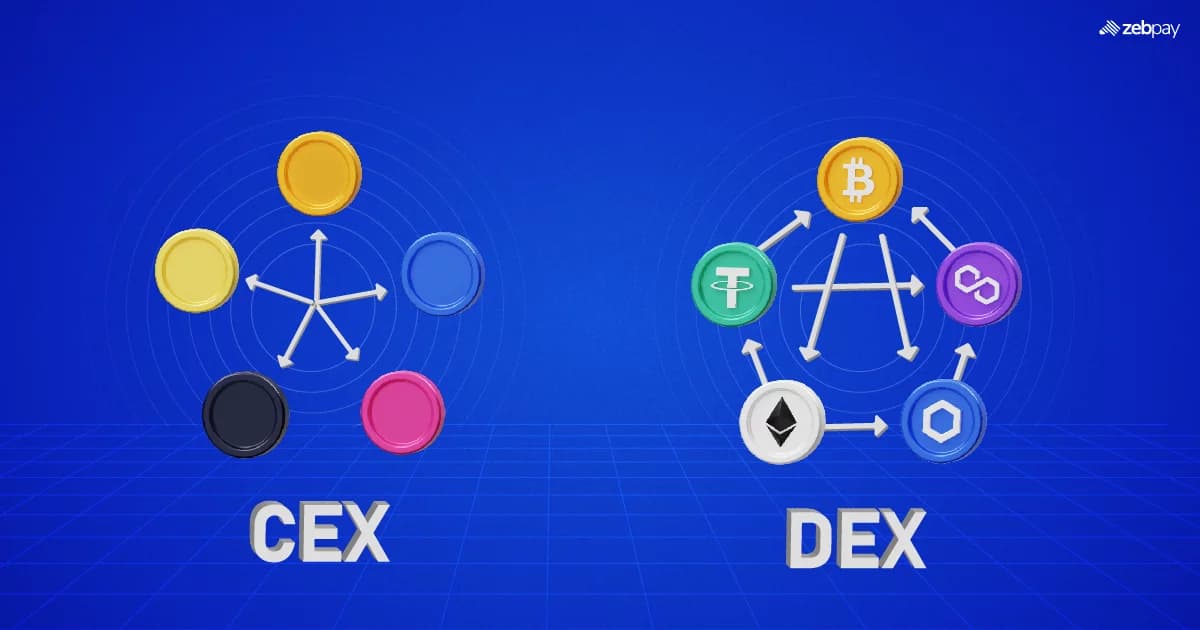
A practical comparison of trading on Solana DEXs like Jupiter and Raydium versus centralized exchanges like Backpack, Binance, and Coinbase. Covers fees, custody, token availability, speed, and KYC.
Understand how Solana transaction bundling works, why token launches use bundle buys on Pump.fun, and how to detect bundled tokens as a trader.
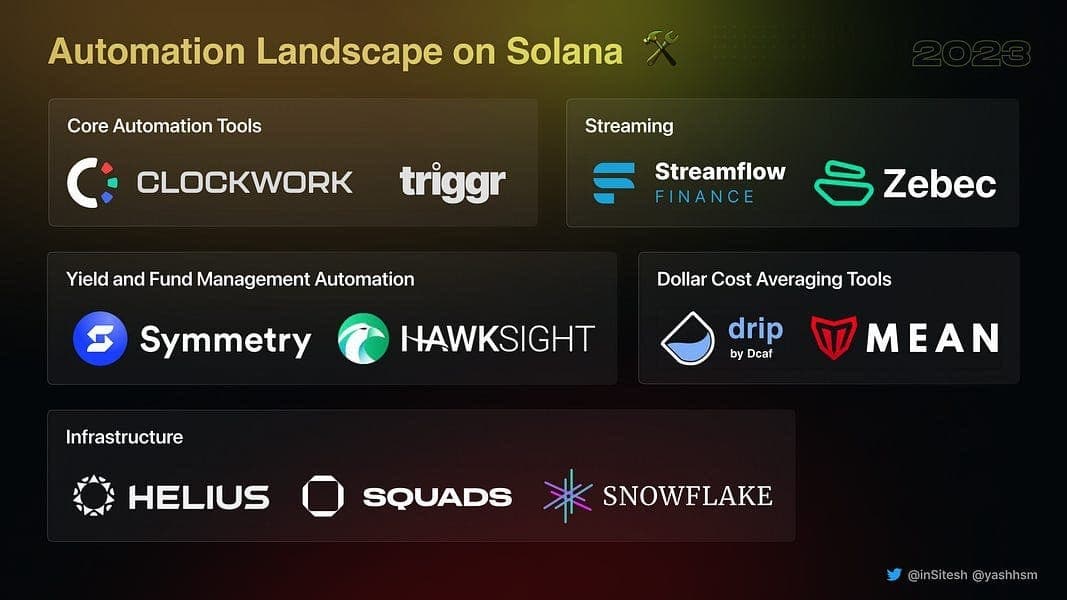
Discover the best Solana automation tools for auto-trading, alerts, portfolio rebalancing, and DeFi management. Compare bots, triggers, and no-code automation platforms.
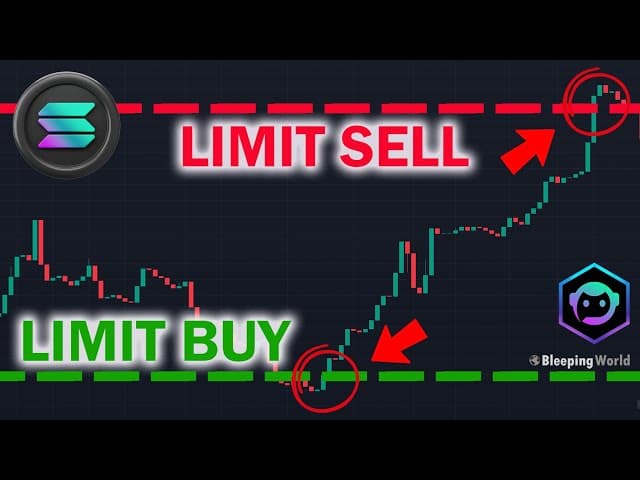
Master advanced Solana limit order strategies including scaled entries, TWAP orders, range-based DCA, and conditional triggers across Jupiter, Raydium, and trading bots.
Step-by-step guide to using Jupiter limit orders on Solana. Learn how to set buy and sell orders, configure expiration and partial fills, avoid common mistakes, and combine limit orders with DCA for better execution.

Compare Pump.fun's bonding curve, PumpSwap's native DEX, and Raydium's established pools. Understand where tokens trade after graduation, fee structures, and which venue is best for traders and launchers.

Learn proven strategies for tracking smart money wallets on Solana. Covers how to find alpha wallets, which tools to use (GMGN, Cielo Finance, Birdeye, Nansen), and how to turn wallet data into profitable trades.
Plan exits for Pump.fun tokens with take-profit ladders, trailing stops, and recurring sells. Learn the math, execution risks, and what to check in each trading tool.
Learn how to track whale wallets on Solana and turn their moves into trading signals. Covers the best whale tracking tools, what different whale actions mean, and specific strategies for trading alongside (and against) whales.
Understand sandwich risk, set price limits, compare routing options and measure execution costs without assuming a tip or private relay guarantees protection.
Browse other topics