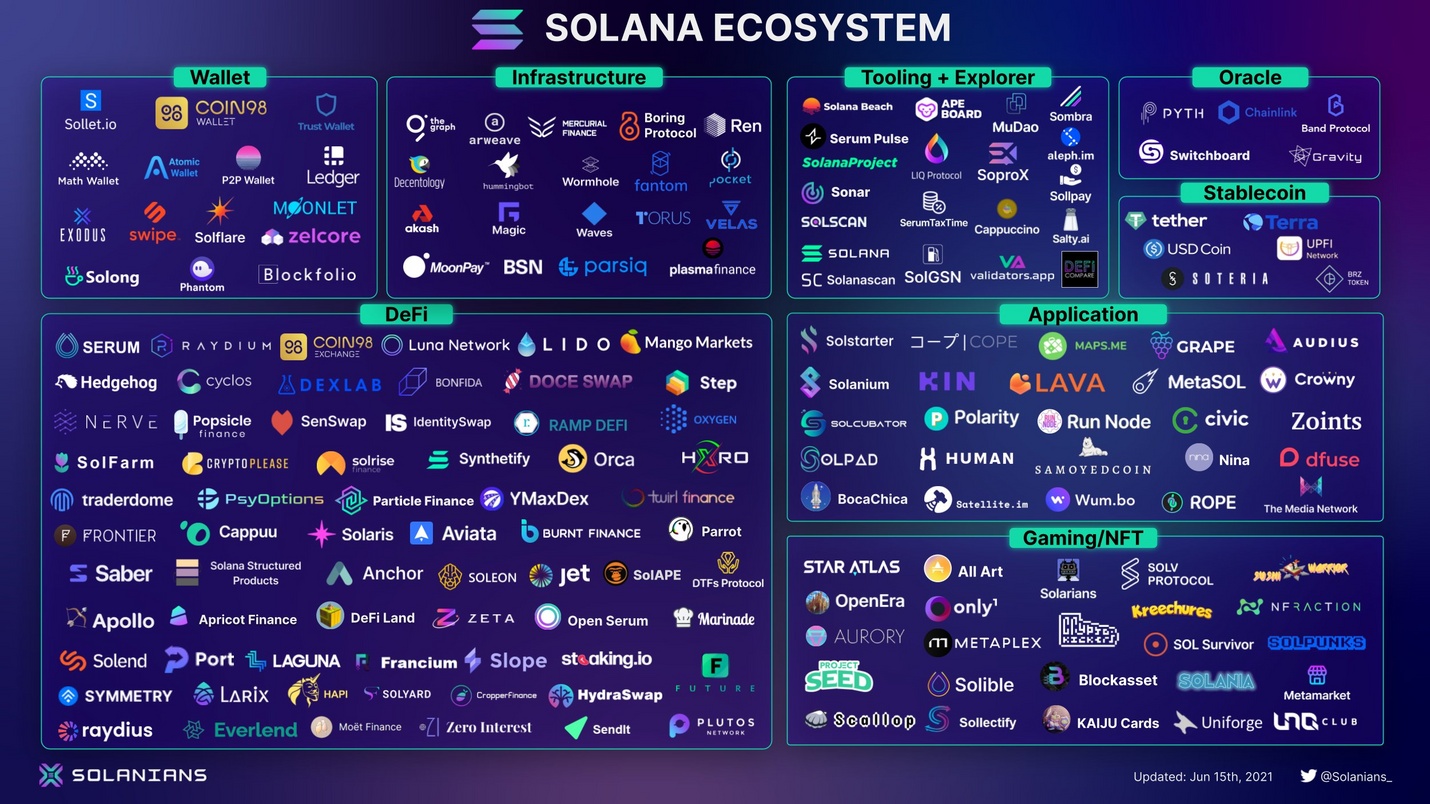
Solana's ecosystem has grown from a handful of projects in 2021 to a sprawling landscape of over a thousand active protocols, tools, and applications. Navigating this ecosystem without a map is like exploring a city without street signs -- you know interesting things exist, but finding them requires luck.
This guide provides that map. We break down every major vertical in the Solana ecosystem, highlight the key projects in each, and explain how they connect. Whether you are new to Solana or an experienced user looking for gaps in your coverage, this overview will help you understand the complete picture.
DeFi: The Financial Engine
Decentralized finance is the largest and most active sector in the Solana ecosystem. It encompasses everything from basic token swaps to complex structured products, and it generates the majority of on-chain transaction volume.
DEXs and Aggregators
Jupiter is the heart of Solana DeFi. As the dominant DEX aggregator, it routes trades across every liquidity source on Solana to find the best price. Jupiter also offers limit orders, dollar-cost averaging, and perpetual futures trading. If you only know one Solana DeFi protocol, it should be Jupiter.
Raydium operates as both an automated market maker (AMM) and a launchpad through its LaunchLab product. Raydium's concentrated liquidity pools attract significant volume, and its integration with Pump.fun graduation means many memecoin liquidity pools land on Raydium by default.
Other notable DEXs include Orca (known for its Whirlpool concentrated liquidity positions), Meteora (dynamic liquidity pools), and Phoenix (on-chain order book).
Lending and Borrowing
Solana's lending sector has matured significantly. Kamino Finance leads with integrated lending, liquidity, and leverage products. MarginFi and Solend provide straightforward lending markets where you deposit assets to earn yield or borrow against collateral. These protocols enable leverage trading, yield strategies, and capital efficiency that would be impossible without on-chain credit.
Staking SOL directly earns around 7-8% APY but locks your tokens. Liquid staking solves this by giving you a tradable token that represents your staked position. Marinade Finance was the pioneer with mSOL, distributing stake across hundreds of validators to improve network decentralization. JitoSOL (from Jito Labs) adds MEV rewards on top of staking yield. JupSOL (from Jupiter) has gained traction through Jupiter's distribution. Sanctum enables swapping between different liquid staking tokens with zero slippage.
These liquid staking tokens are composable -- you can use JitoSOL as collateral on Kamino, borrow USDC, and deploy it into a yield strategy, effectively earning staking yield while putting the same capital to work elsewhere.
Perpetuals and Derivatives
Drift Protocol is Solana's largest perpetual futures exchange, offering up to 20x leverage on major crypto pairs. Jupiter Perps provides a simpler interface for leveraged trading built on Jupiter's liquidity. Zeta Markets adds options trading to the mix. These protocols bring trading products that traditionally required centralized exchanges to a decentralized, self-custodial environment.
Stablecoins
USDC has native issuance on Solana, making it the dominant stablecoin. PayPal's PYUSD launched natively on Solana, signaling institutional confidence. UXD Protocol offers a decentralized stablecoin. The depth of stablecoin liquidity on Solana is critical for DeFi to function -- it provides the stable base that lending, trading, and yield strategies depend on.
NFTs and Digital Collectibles
Solana's NFT ecosystem has evolved beyond profile pictures. While the speculative frenzy has cooled, the infrastructure has become more sophisticated.
Marketplaces
Tensor is the leading Solana NFT marketplace and aggregator, known for its trading-focused interface with features like real-time order books, collection-wide bids, and analytics. Magic Eden, which started on Solana, has expanded to multiple chains but maintains significant Solana volume.
Compressed NFTs
Solana's compressed NFT (cNFT) standard dramatically reduces minting costs by storing data in Merkle trees rather than individual accounts. This makes it economically viable to mint millions of NFTs for use cases like gaming items, loyalty rewards, and event tickets -- applications where traditional NFT minting costs would be prohibitive.
Creator Tools
Metaplex provides the token standard and minting infrastructure that most Solana NFT projects use. Its suite includes collection management, royalty enforcement, and the core metadata standard. For creators launching collections, Metaplex is the foundational layer.
Gaming
Solana's speed and low fees make it the most practical blockchain for gaming, where in-game transactions need to feel instant. Star Atlas is the flagship project -- a space exploration MMO with an on-chain economy. Aurory offers a tactical RPG with NFT-based characters.
The gaming vertical is still maturing. Most Solana games are in development or early access rather than polished, mass-market products. But the infrastructure is ready: sub-second transactions, negligible fees, and compressed NFTs for in-game items position Solana as the natural home for blockchain gaming as the genre develops.
DePIN: Decentralized Physical Infrastructure
DePIN (Decentralized Physical Infrastructure Networks) is where Solana intersects with the real world. These projects use token incentives to build physical networks -- wireless coverage, compute resources, mapping data, and more.
Helium migrated to Solana and operates the largest decentralized wireless network. Individuals deploy hotspots that provide LoRaWAN and 5G coverage, earning HNT tokens in return. Helium Mobile offers a $20/month phone plan powered by this decentralized network.
Render Network uses Solana for its decentralized GPU rendering marketplace, connecting artists and studios who need rendering power with GPU owners who have spare capacity. Hivemapper incentivizes dashcam users to build a decentralized mapping alternative to Google Maps.
DePIN projects are significant because they demonstrate blockchain utility beyond financial speculation. They create real-world value: wireless coverage, compute capacity, and geospatial data.
Payments
Solana is arguably the best blockchain for payments. Sub-cent fees and sub-second finality make it practical for everyday transactions, not just large transfers.
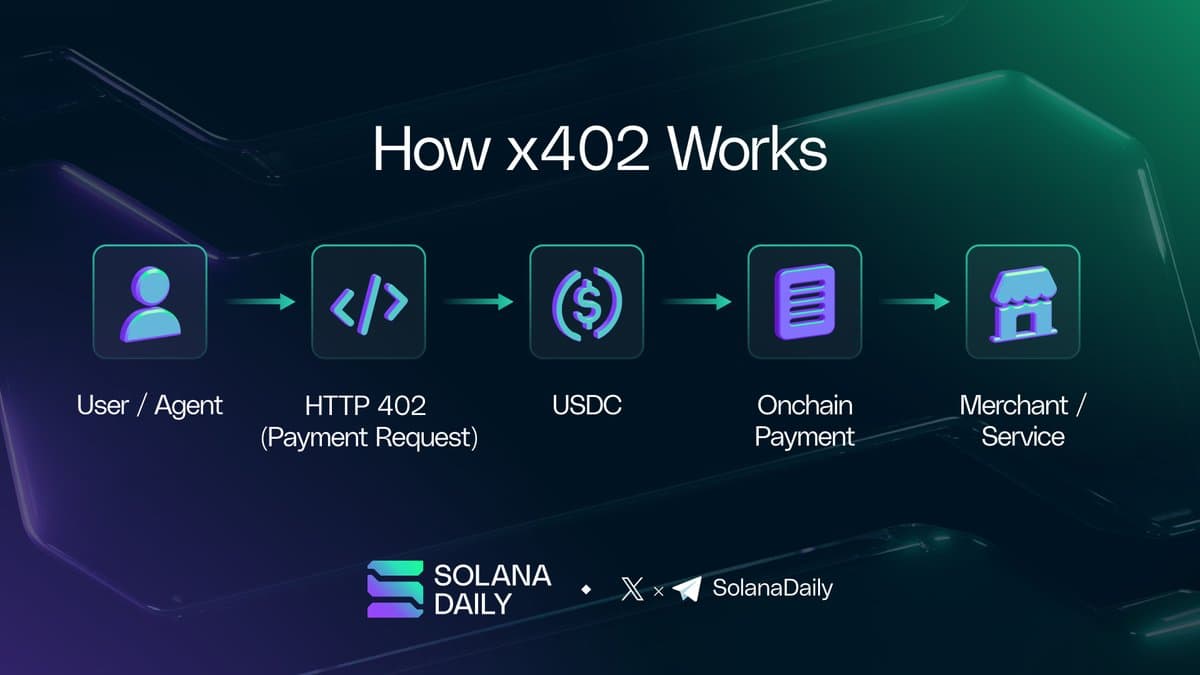
Solana Pay provides a protocol for merchants to accept SOL and SPL tokens (including USDC) directly. The QR code-based system integrates with point-of-sale systems and supports features like instant confirmation, automatic conversion to stablecoins, and loyalty program integration.
Sphere and Helio offer payment infrastructure for businesses accepting crypto on Solana. TipLink enables link-based payments for gifting and onboarding. The combination of native USDC, fast finality, and low fees creates a payments stack that rivals traditional payment processors on cost -- a merchant pays essentially nothing per transaction versus 2-3% with Visa or Stripe.
Infrastructure and Developer Tools
Behind every application is infrastructure. Solana's developer ecosystem provides the tools needed to build, test, and deploy on-chain programs.
RPC and Node Providers
Helius, QuickNode, Alchemy, and Triton provide dedicated RPC access for applications that need reliable blockchain connectivity. Helius has become the Solana-native standard with features like webhooks, enhanced transaction parsing, and the DAS API for token metadata.
Validator Clients
Solana's network security and performance depend on its validator clients. The original Agave client (formerly Solana Labs) has been joined by Firedancer, developed by Jump Crypto. Firedancer is a ground- rewrite in C that achieves dramatically higher throughput and provides client diversity -- critical for network resilience. The upcoming Alpenglow consensus upgrade will further improve finality times.